
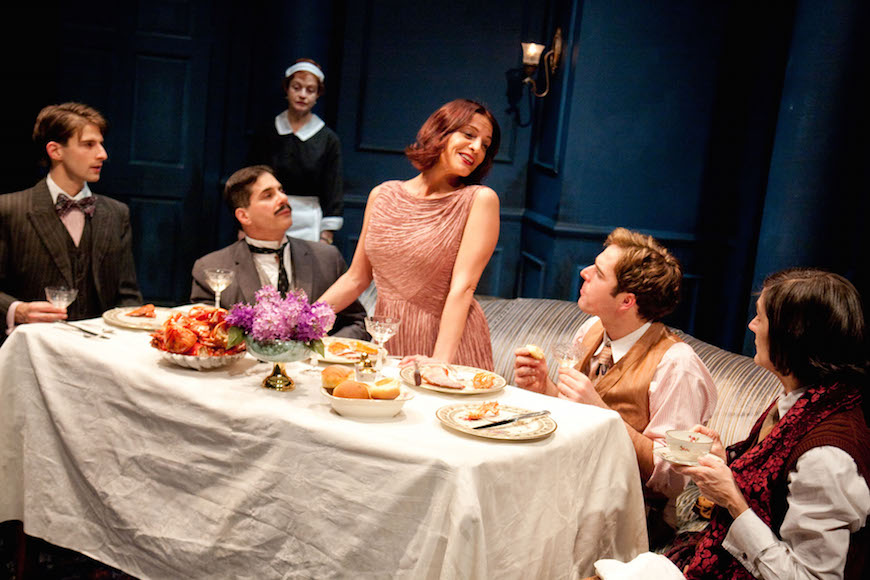
When She Danced
Nov 4, 2009 - Dec 20, 2009
-
Nick Bowling ~ + Director

- Martin Sherman Playwright
Cast
- Jennifer Engstrom Isadora Duncan
- Alejandro Cordoba Alexandros Eliopolos
- Daniel McEvilly Marcel
- Patrick Mulvey Sergei Esenin
- Jessica Steans-Gail Christine
- Mary Williamson Mary Desti



Production Team
-
Julie Eberhardt Props Designer

-
Eva Breneman ^ Dialect Coach

-
Mechelle Moe + Assistant Director
-
Maren Robinson + Dramaturg

-
Mechelle Moe + Assistant Director
- Keith Pitts Scenic Designer
- Bill Morey Costume Designer
- Joshua Horvath Sound Designer
- Seth E. Reinick Lighting Designer
- Cheney Tardio Stage Manager
- James Odgen Production Manager/Technical Director
- Michael C. Dutton Assistant Stage Manager
- Mieka van der Ploeg Wardrobe Supervisor
- Nic Jones Assistant Lighting Designer
- Mac Vaughey Master Electrician
- James Keister Lobby Display Graphic Designer
- Susan Muirhead Lobby Display Video Designer
* Member of Actors Equity Association
# Member of United Scenic Artists
~ Member of Stage Directors and Choreographers Society
+ TimeLine Company Member
^ TimeLine Associate Artist
§ TimeLine Playwrights Collective
Reviews
-
Chicago Critic
November 8, 2009
An intelligent glimpse into the world of an eccentric diva who lived life to its artistic and sensual fullest. … part drawing room comedy, part character profile with glimpses into the nature of creating art and a look at how art, and Duncan in particular, deeply touched so many lives.
—Tom Williams
Discussions & Events
-
Sunday Scholars Series
November 15, 4:30 pm Read More
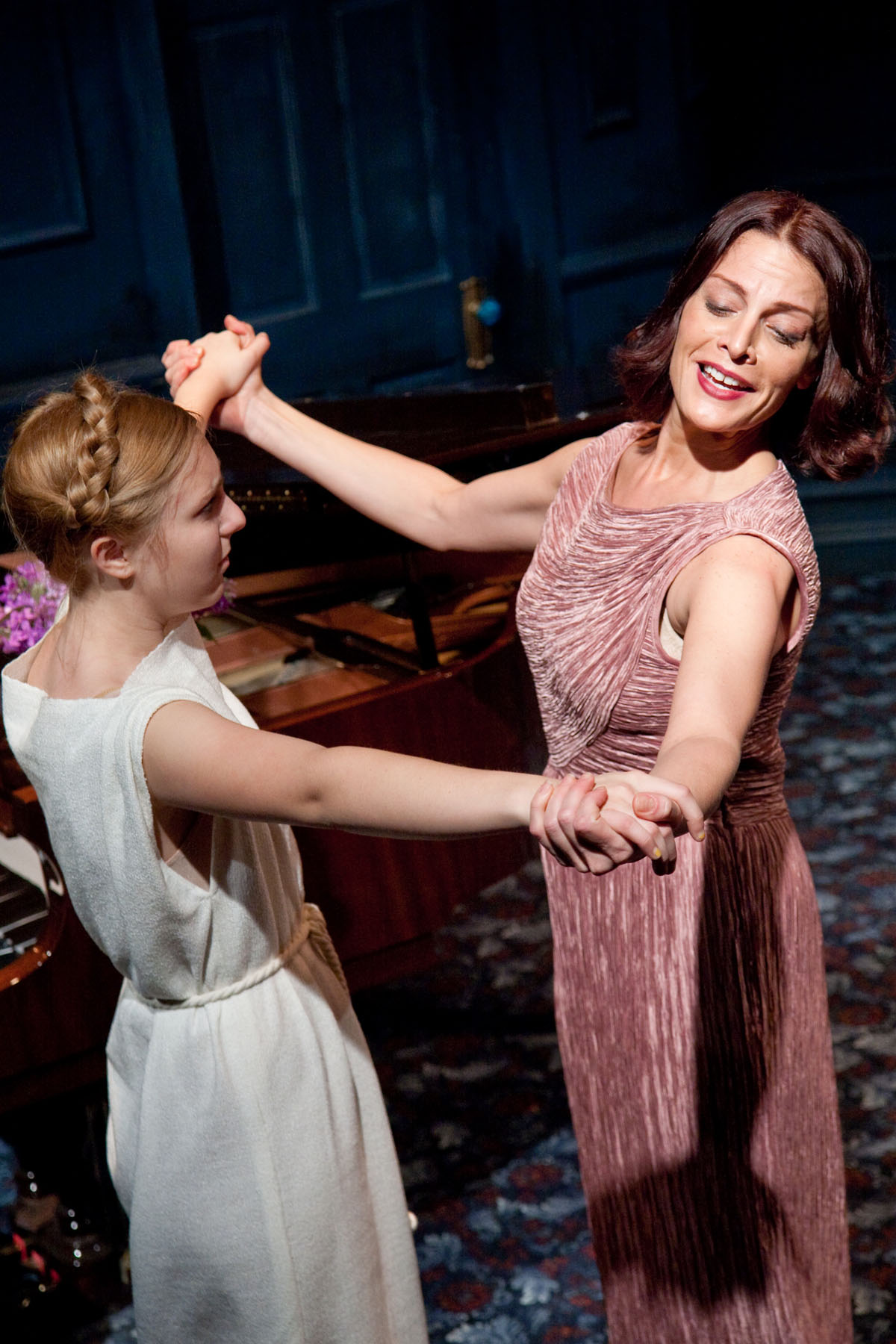
Isadora Duncan (Jennifer Engstrom, right) inspires her young protégé Christine (Jessica Steans-Gail) in TimeLine Theatre’s production of WHEN SHE DANCED by Martin Sherman, directed by Nick Bowling.
Photo by Johnny Knight
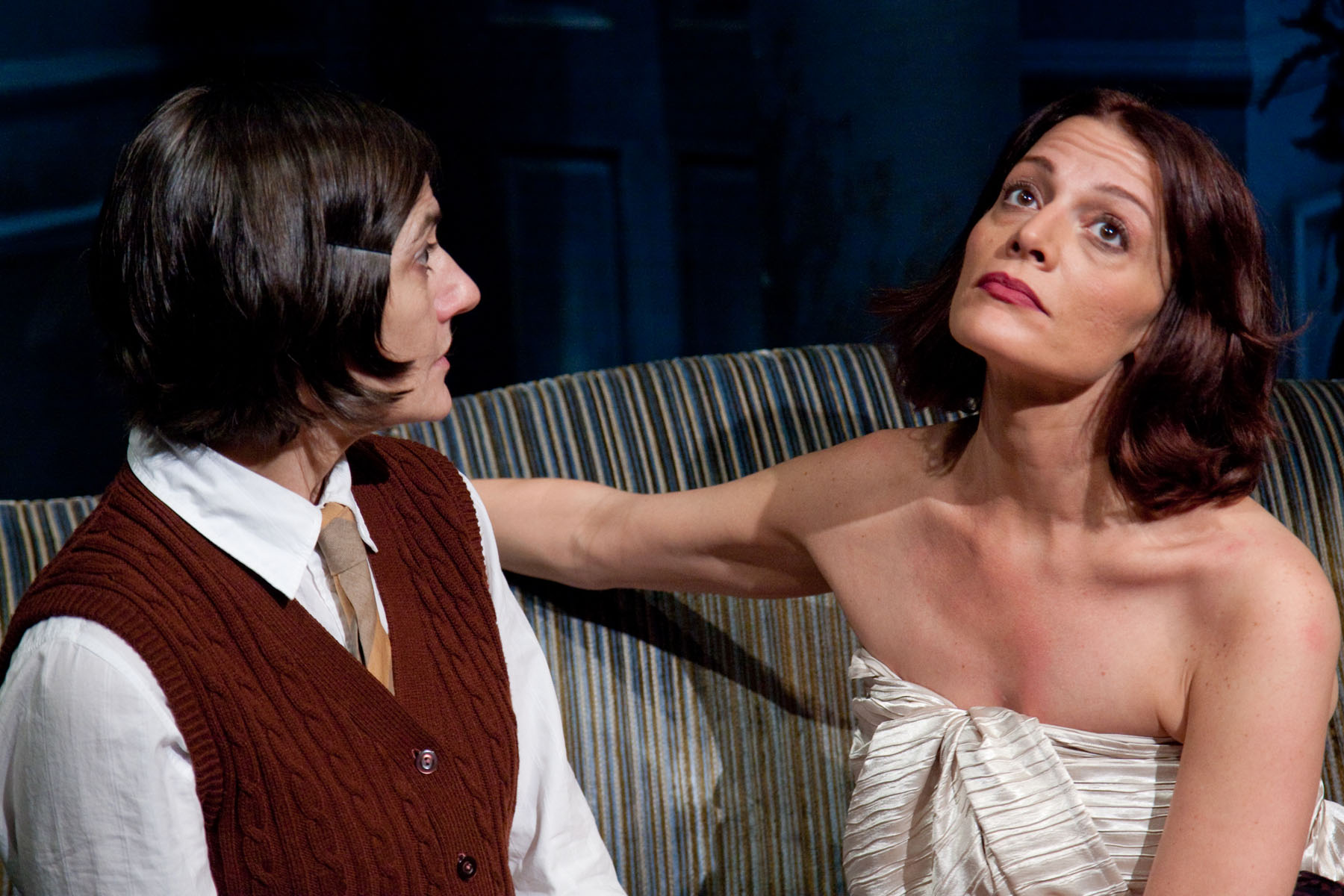
Isadora Duncan (Jennifer Engstrom, right) with her Russian translator Miss Belzer (Janet Ulrich Brooks) in TimeLine Theatre’s production of WHEN SHE DANCED by Martin Sherman, directed by Nick Bowling.
Photo by Johnny Knight
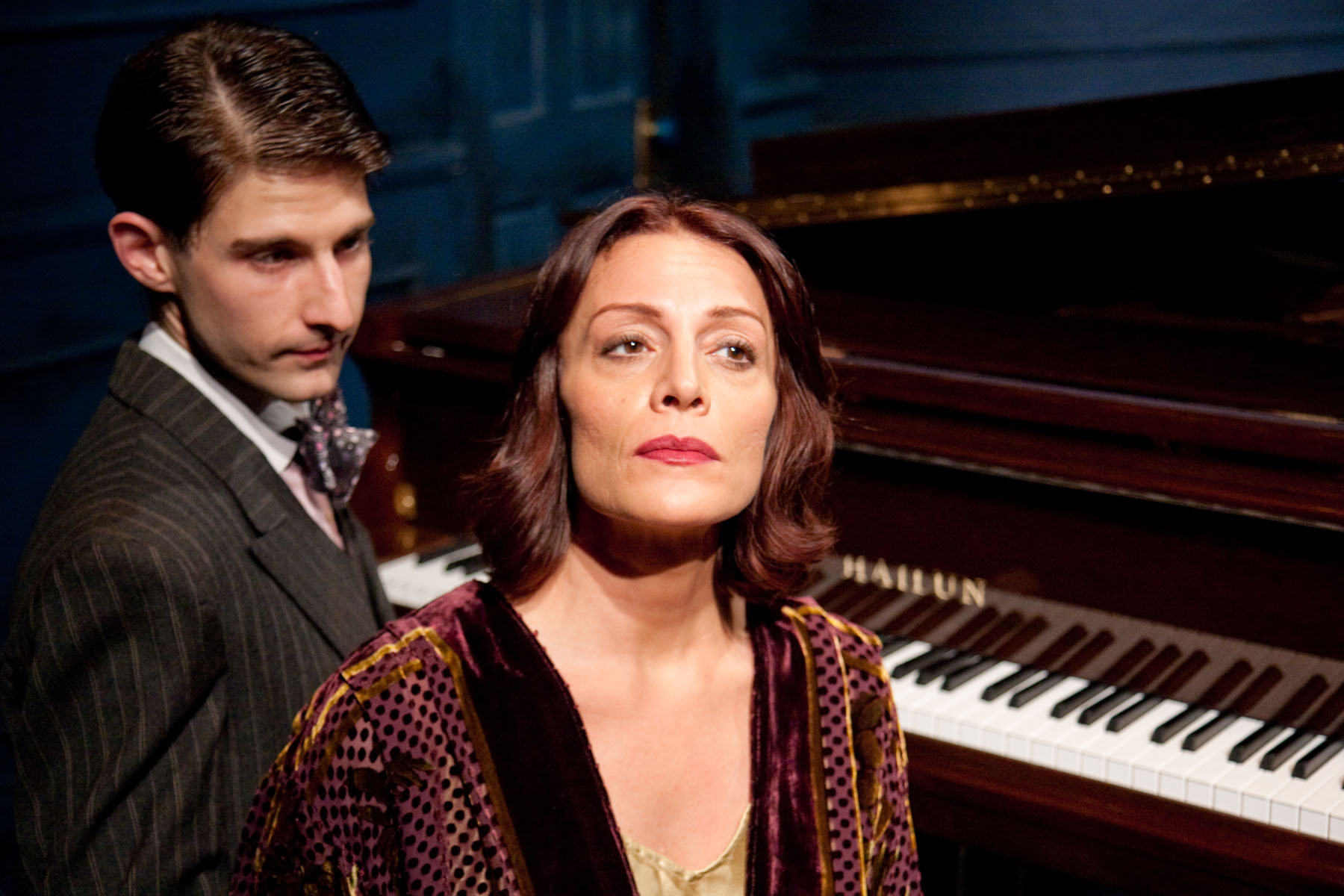
Isadora Duncan (Jennifer Engstrom, right) discusses her passion for dance with piano prodigy Alexandros Eliopolos (Alejandro Cordoba) in TimeLine Theatre’s production of WHEN SHE DANCED by Martin Sherman, directed by Nick Bowling.
Photo by Johnny Knight
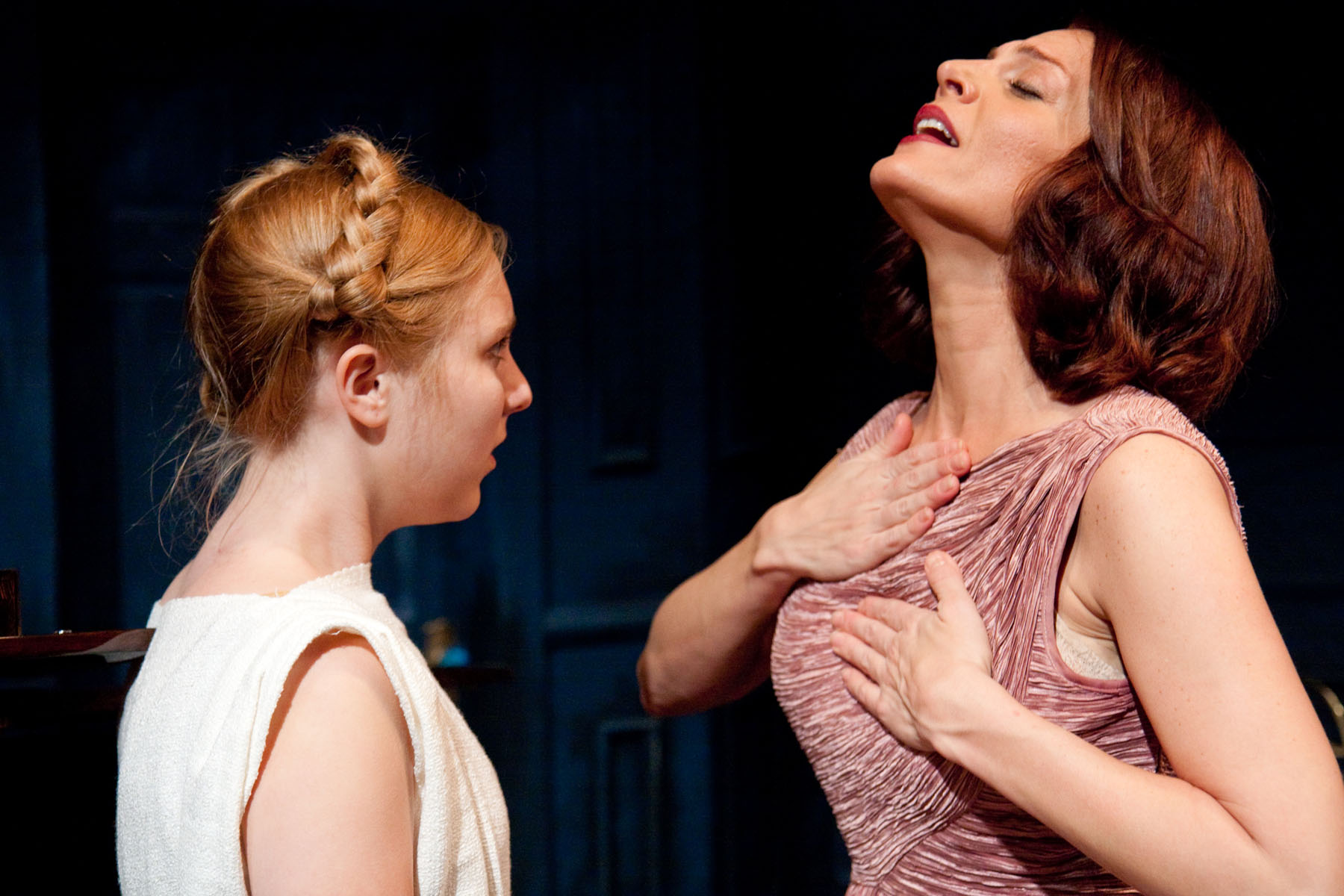
Isadora Duncan (Jennifer Engstrom, right) inspires her young protégé Christine (Jessica Steans-Gail) in TimeLine Theat.re’s production of WHEN SHE DANCED by Martin Sherman, directed by Nick Bowling
Photo by Johnny Knight