
A House with No Walls
Chicago Premiere
Oct 29, 2008 - Dec 21, 2008
-
Louis Contey ^ Director

- Thomas Gibbons Playwright
Cast
-
Mark Richard * ^ Park Ranger, Steven Gardner, George Washington

- Leslie Ann Sheppard Oney Judge
- Amber Starr Friendly Cadence Lane
- A.C. Smith Salif Camara
- Steve O'Connell Allen Rosen, Tobias Humphreys
- Eric Sherman-Christ Austin Judge, Jacob Easton
Production Team
-
Aaron Carter ^ Dramaturg

-
Andrew Hansen ^ Composer and Sound Designer

-
Collette Pollard # ^ Scenic Designer

-
Alex Wren Meadows Costume Designer

-
Andrew Hansen ^ riginal Music and Sound Designer
-
Mike Tutaj # ^ Projections Designer

-
Aaron Carter ^ Dramaturg
- James Odgen Technical Director
- Diane D. Fairchild Lighting Designer
- Ann Meilahn Properties Designer
- Lucinda Z. Alipio Assistant Director
- Jo Ann Flores-Deter Stage Manager
- Patrick Fries Assistant Stage Manager
- Sean T. Evans Assistant Projections Disigner
- Mac Vaughey Master Electrician
- Kristin Eaves Wardrobe Supervisor
- Robert Coleman Graphic Designer
- James Keister Lobby Display Graphic Designer
- Kristopher McDowell Production Manager
* Member of Actors Equity Association
# Member of United Scenic Artists
~ Member of Stage Directors and Choreographers Society
+ TimeLine Company Member
^ TimeLine Associate Artist
§ TimeLine Playwrights Collective
Discussions & Events
-
Sunday Scholars Series
November 16, 4:15 pm Read More
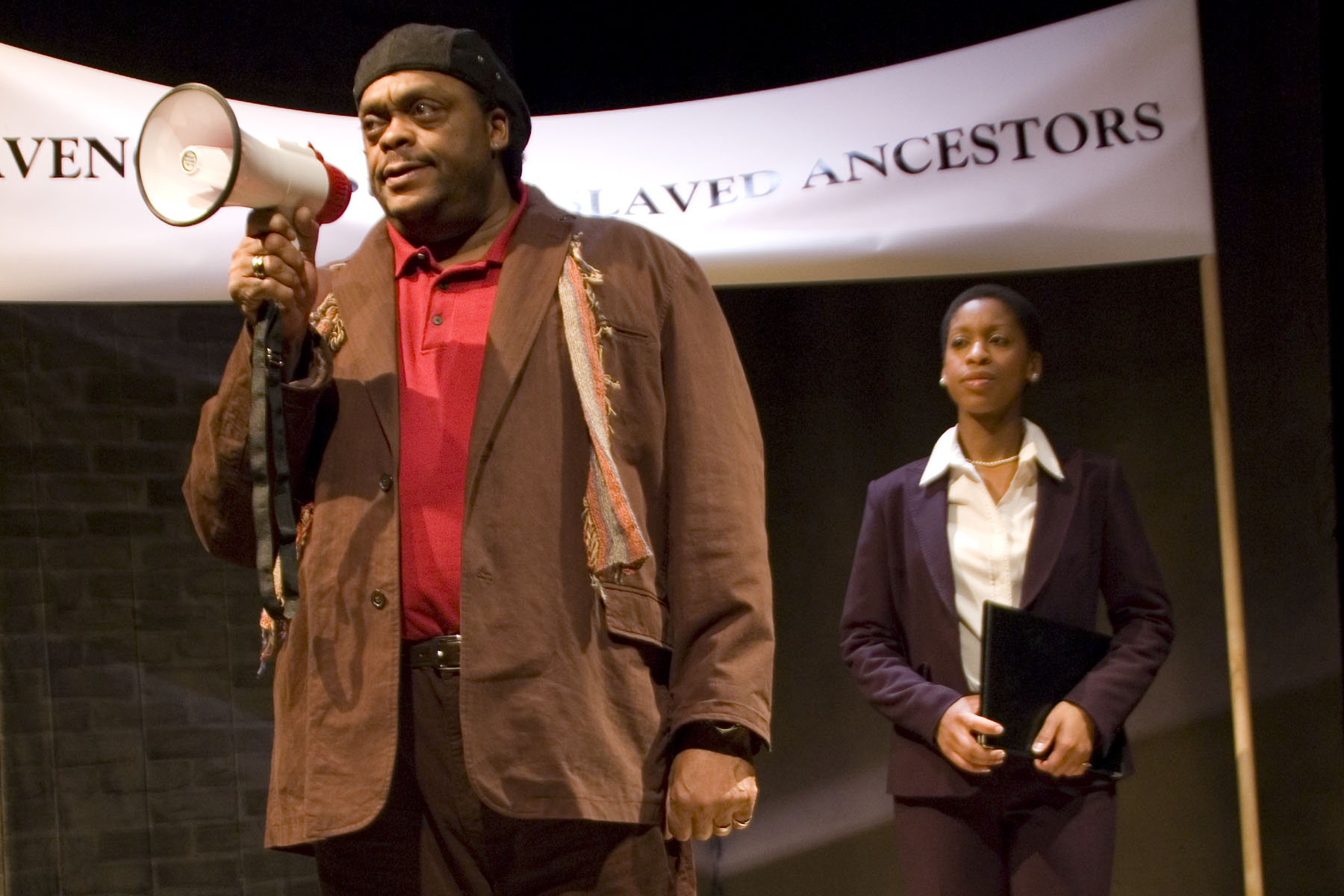
Liberal political activist Salif Camara (A.C. Smith, left) and conservative academic star Cadence Lane (Amber Starr Friendly) clash over a controversy involving Philadelphia’s American Museum of Liberty in TimeLine Theatre's Chicago premiere ofThomas Gibbons’ A HOUSE WITH NO WALLS, directed by Louis Contey.
Photo by Lara Goetch

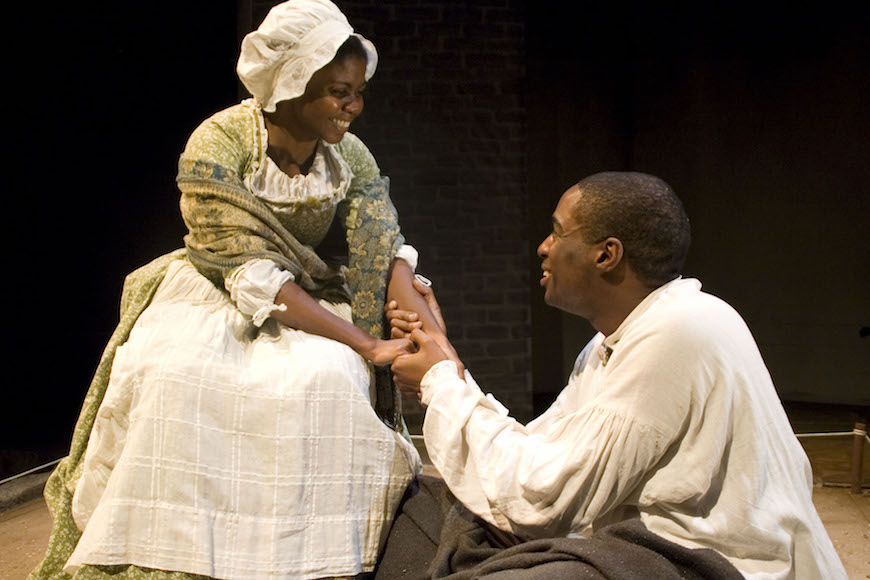
Austin Judge (Eric Sherman-Christ, left), who dreams of being free and living on a ship, doesn’t realize his sister Oney (Leslie Ann Sheppard) is plotting escape herself in TimeLine Theatre's Chicago premiere of Thomas Gibbons’ A HOUSE WITH NO WALLS, directed by Louis Contey.
Photo by Lara Goetch
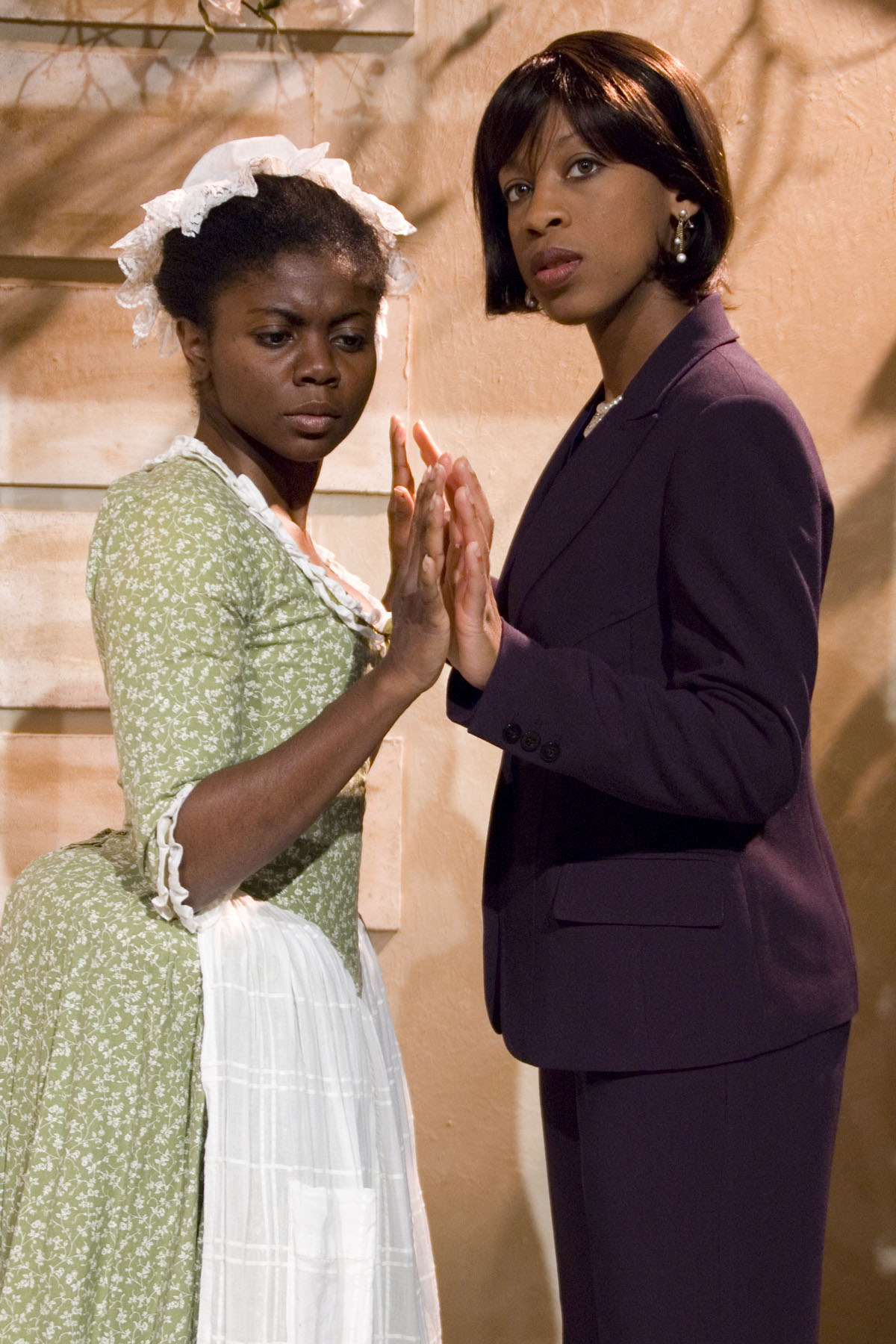
Past and present collide as Cadence Lane (Amber Starr Friendly, right), a conservative academic investigating the controversy surrounding the site of George Washington’s Philadelphia home, delves into the story of Oney Judge (Leslie Ann Sheppard, left), one of Washington’s slaves, in TimeLine Theatre's Chicago premiere of Thomas Gibbons’A HOUSE WITH NO WALLS, directed by Louis Contey.
Photo by Lara Goetch
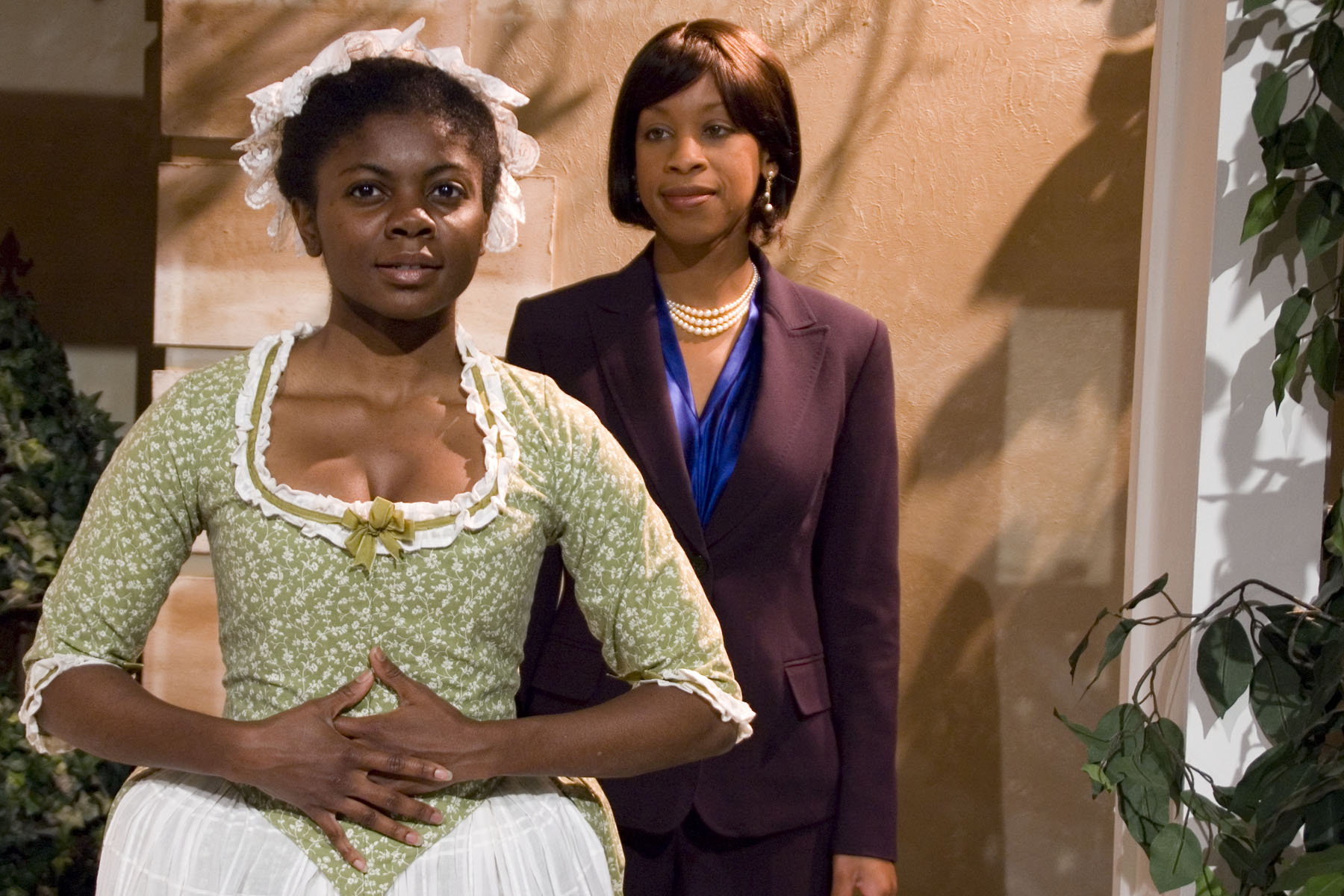
Past and present collide as Cadence Lane (Amber Starr Friendly, right), a conservative academic investigating the controversy surrounding the site of George Washington’s Philadelphia home, delves into the story of Oney Judge (Leslie Ann Sheppard, left), one of Washington’s slaves, in TimeLine Theatre's Chicago premiere of Thomas Gibbons’A HOUSE WITH NO WALLS, directed by Louis Contey.
Photo by Lara Goetch