
Harmless
World Premiere
Jan 16, 2007 - Mar 18, 2007
-
Brett Neveu Playwright

- Edward Sobel Director
Cast
-
Juliet Hart * + Mindy Ergenbright

-
David Parkes * + Jim McFehren
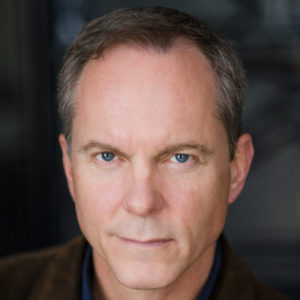
- John Jenkins Daniel Wesson
Production Team
-
Julie Eberhardt Props Designer

-
Charles Cooper # ^ Lighting Designer
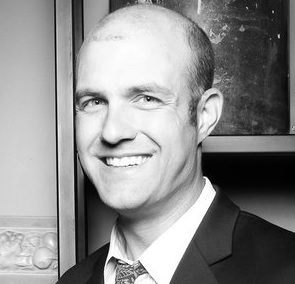
- Lindsey Pate Costume Designer
- Joshua Horvath Sound Designer
- Keith Pitts Scenic Designer
- Jennifer Martin Production Manager
- Seth Vermilyea Stage Manager
- Gabriel Greene Dramaturg
- Daria Grubb Assistant Director
- Holly BIrdsong Assistant Stage Manager
- Jennifer Hogue Assistant Lighting Designer
- Robert Groth Technical Director
- James Keister Lobby Display Graphic Designer
- Robert Coleman Graphic Designer
* Member of Actors Equity Association
# Member of United Scenic Artists
~ Member of Stage Directors and Choreographers Society
+ TimeLine Company Member
^ TimeLine Associate Artist
§ TimeLine Playwrights Collective
Discussions & Events
-
Sunday Scholars Series
February 4, 3:00 pm Read More
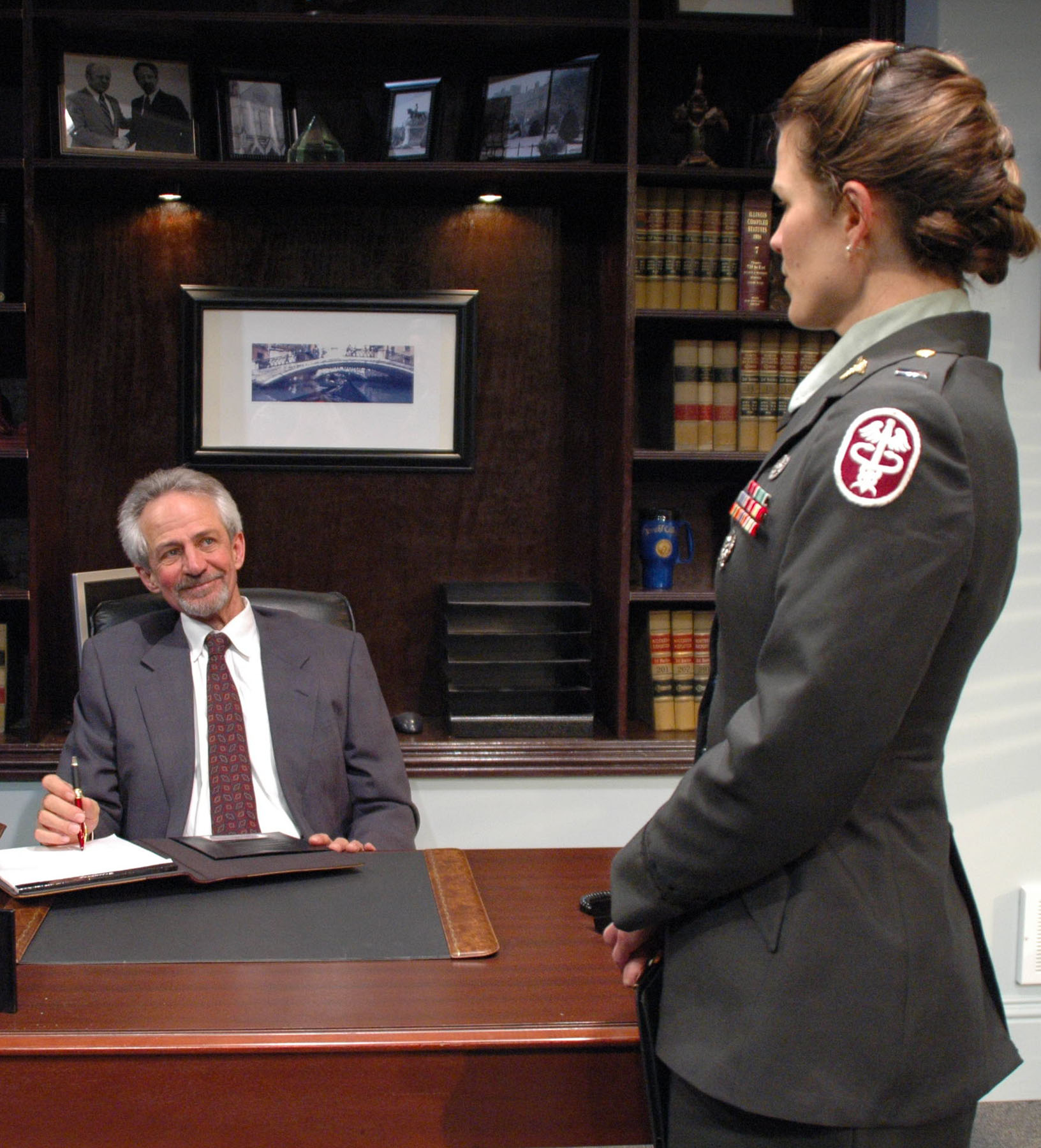
College president Daniel Wesson (John Jenkins, left) welcomes Lieutenant Mindy Ergenbright (Juliet Hart, right) to campus in TimeLine Theatre Company’s world premiere production of Brett Neveu’s HARMLESS.
Photo by Lara Goetsch
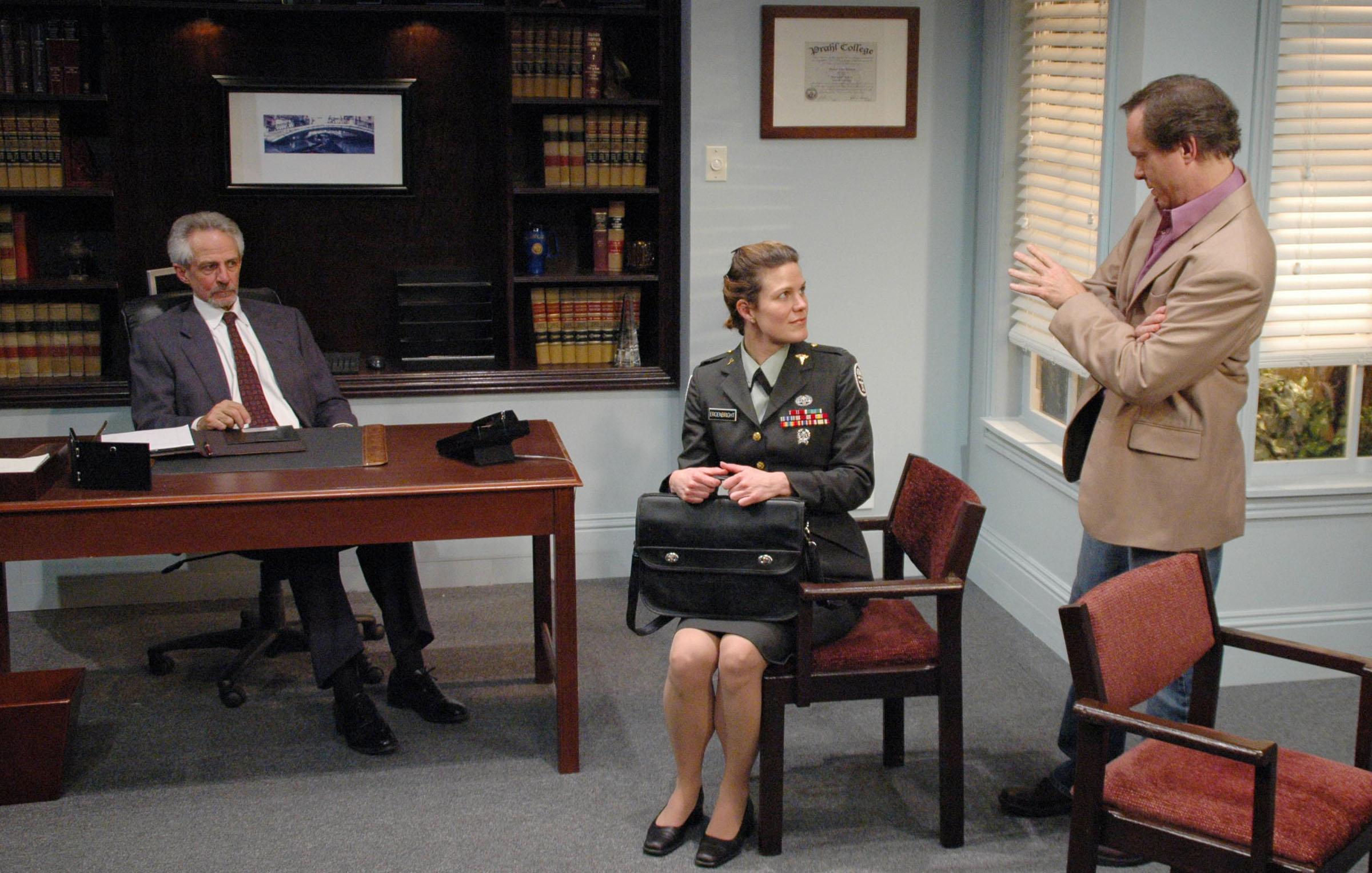
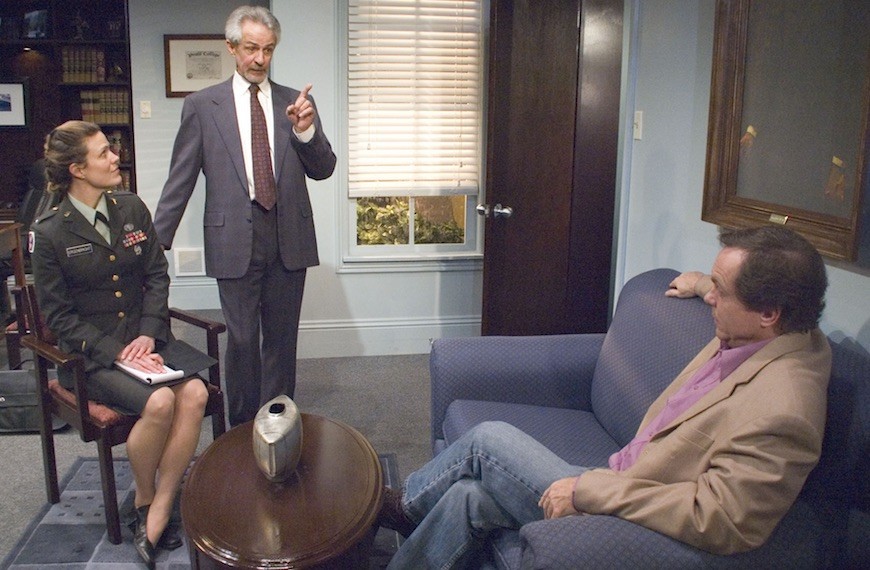
College president Daniel Wesson (John Jenkins, left), Lieutenant Mindy Ergenbright (Juliet Hart, center) and instructor Jim McFehren (David Parkes, right) have differing opinions about how to handle a campus controversy in TimeLine Theatre Company’s world premiere production of Brett Neveu’s HARMLESS.
Photo by Lara Goetsch
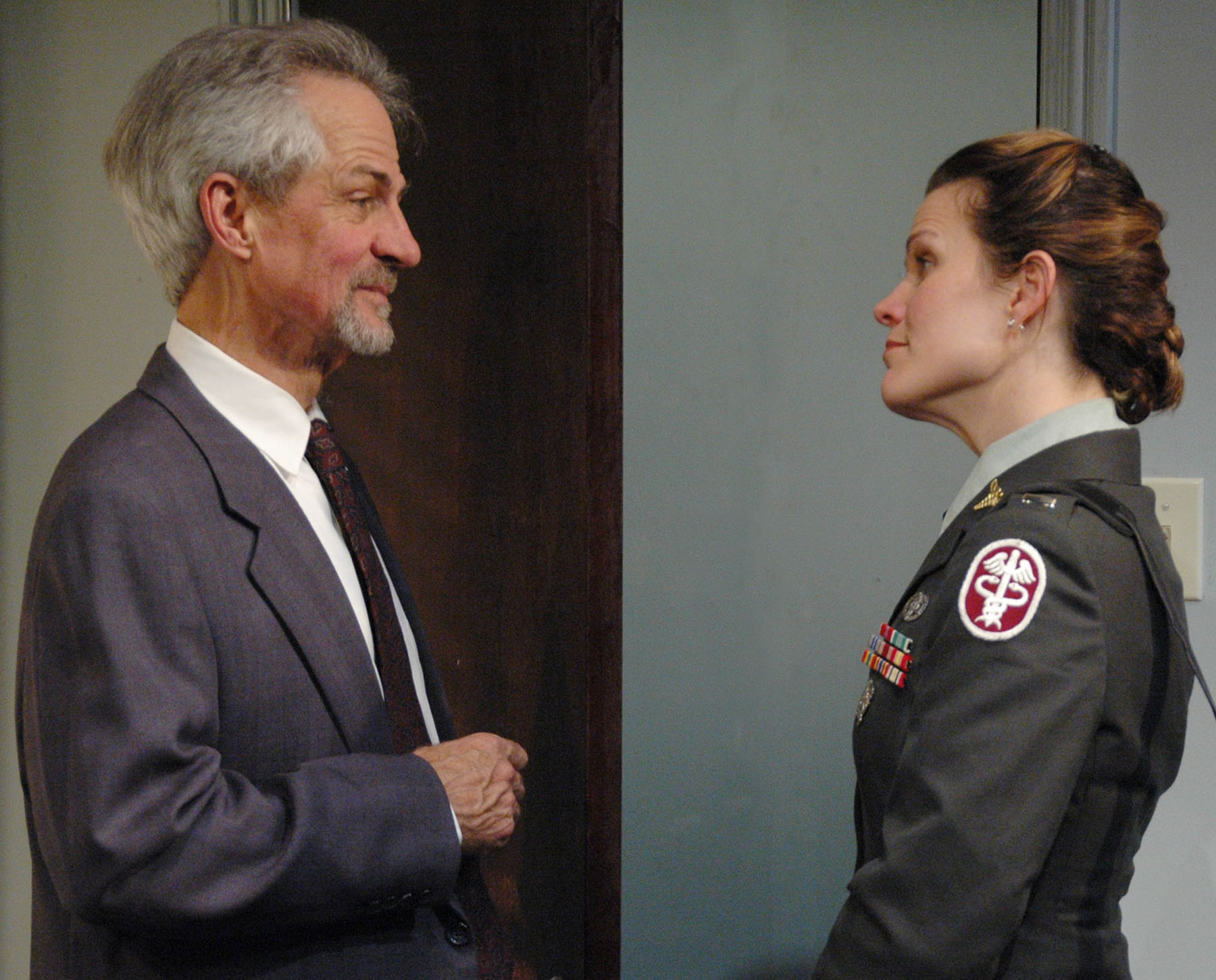
College president Daniel Wesson (John Jenkins, left) thanks Lieutenant Mindy Ergenbright (Juliet Hart, right) for her help managing a campus controversy in TimeLine Theatre Company’s world premiere production of Brett Neveu’s HARMLESS.
Photo by Lara Goetsch