
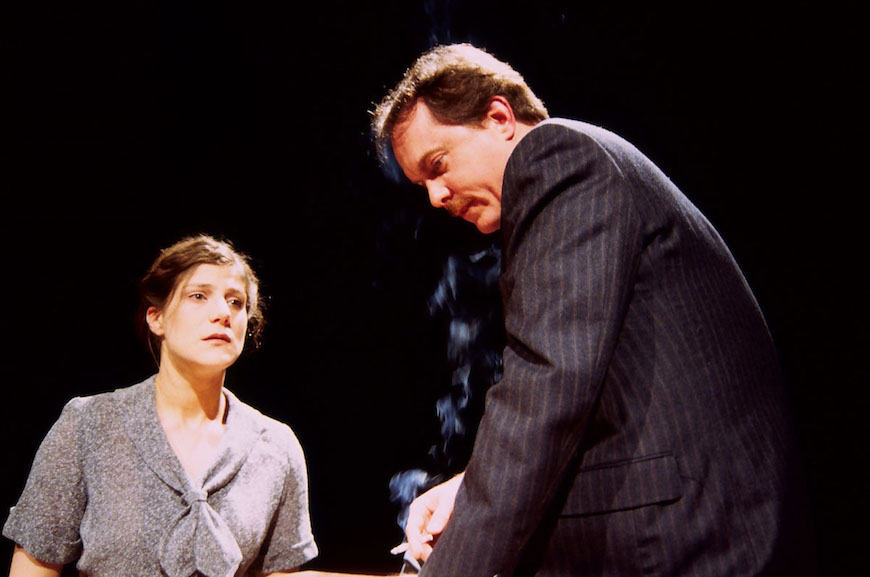
Hannah and Martin
World Premiere
Apr 29, 2003 - Jun 1, 2003
- Jeremy B. Cohen Director
- Kate Fodor Playwright
Cast
-
Larry Baldacci Karl Jaspers/Prosecutor

-
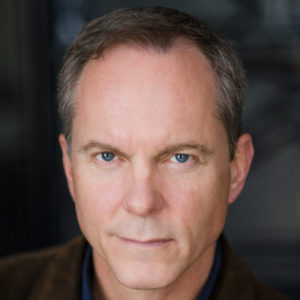
David Parkes * + Martin Heidegger
-
Danica Monroe ^ Elfride Heidegger

- Scott Mullins Baldur Von Schirach
- Elizabeth Rich Hannah Arendt
- Lindsey Page Morton Alice/Seminar Student
- John Byrnes Gunther Stern/Radio Announcer (Extension)
- Linsey Page Morton * Alice/Seminar Student
- James William Joseph Gunther Stern/Radio Announcer
Production Team
-
Brian Sidney Bembridge # ^ Scenic and Lighting Designer

- Christine Pascual # Costume Designer
- Justin Stone Master Electrician
- Trey Riddle Technical Director
- Suzanne Hufnagel Assistant Stage Manager
- Evin Nicole Eubanks Stage Manager
- Jen Hammond Properties Designer
- Stephanie Bickel Dialect Coach
- Rosanna Forrest Dramaturg
- Mikhael Tara Garver Assistant Director
- Mitch Golob Associate Director
- James Keister Lobby Display Graphic Designer
- Joshua Horvath Sound Designer
* Member of Actors Equity Association
# Member of United Scenic Artists
~ Member of Stage Directors and Choreographers Society
+ TimeLine Company Member
^ TimeLine Associate Artist
§ TimeLine Playwrights Collective
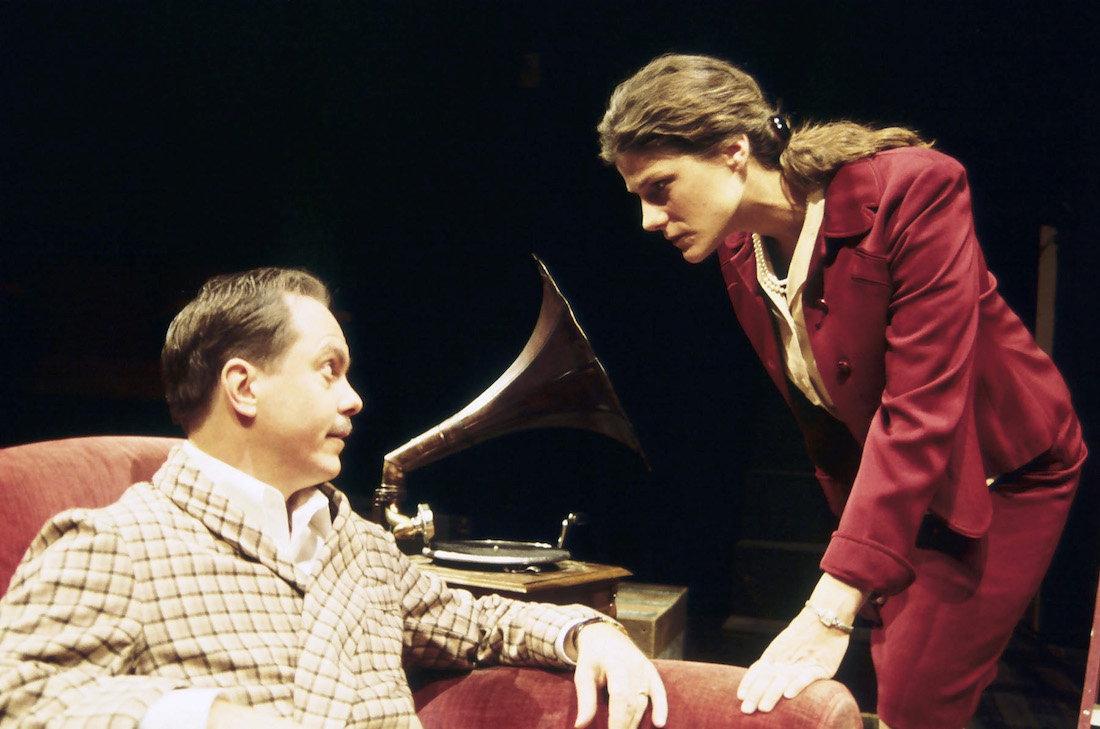
TimeLine Company member David Parkes as Martin Heidegger and Elizabeth Rich in her award-winning role as Hannah Arendt.
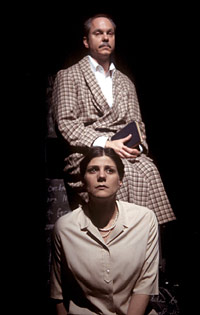
TimeLine Company member David Parkes as Martin Heidegger and Elizabeth Rich in her award-winning role as Hannah Arendt.

TimeLine Company member David Parkes as Martin Heidegger and Elizabeth Rich in her award-winning role as Hannah Arendt.
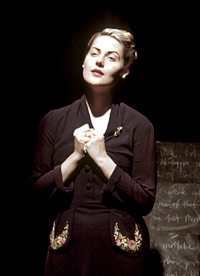
Danica Ivancevic in her award-winning role as Elfride Heidegger.