
Dolly West's Kitchen
Chicago Premiere
Jan 22, 2008 - Mar 22, 2008
-
Kimberly Senior ~ ^ Director

- Frank McGuinness Playwright
Cast
-
Danica Monroe ^ Es-ther Horgan

-
Mark Richard * ^ Ned Horgan

- Cliff Chamberlain Alec Redding
- Aaron Golden Jamie O’Brien
- Sara Hoyer Anna Owens
- Kat McDonnell Dolly West
Production Team
-
Ana Espinosa * Stage Manager

-
Brian Sidney Bembridge # ^ Scenic Designer

-
Eva Breneman ^ Dialect Coach

-
Charles Cooper # ^ Lighting Designer

- Christine Conley Costume Designer
- Tamara Roberts Sound Designer
- Galen Pejeau Properties Designer
- Becky Perlman Dramaturg
- Seth Vermilyea Prduction Manager
* Member of Actors Equity Association
# Member of United Scenic Artists
~ Member of Stage Directors and Choreographers Society
+ TimeLine Company Member
^ TimeLine Associate Artist
§ TimeLine Playwrights Collective
Discussions & Events
-
Sunday Scholars Series
February 10, 4:15 pm Read More
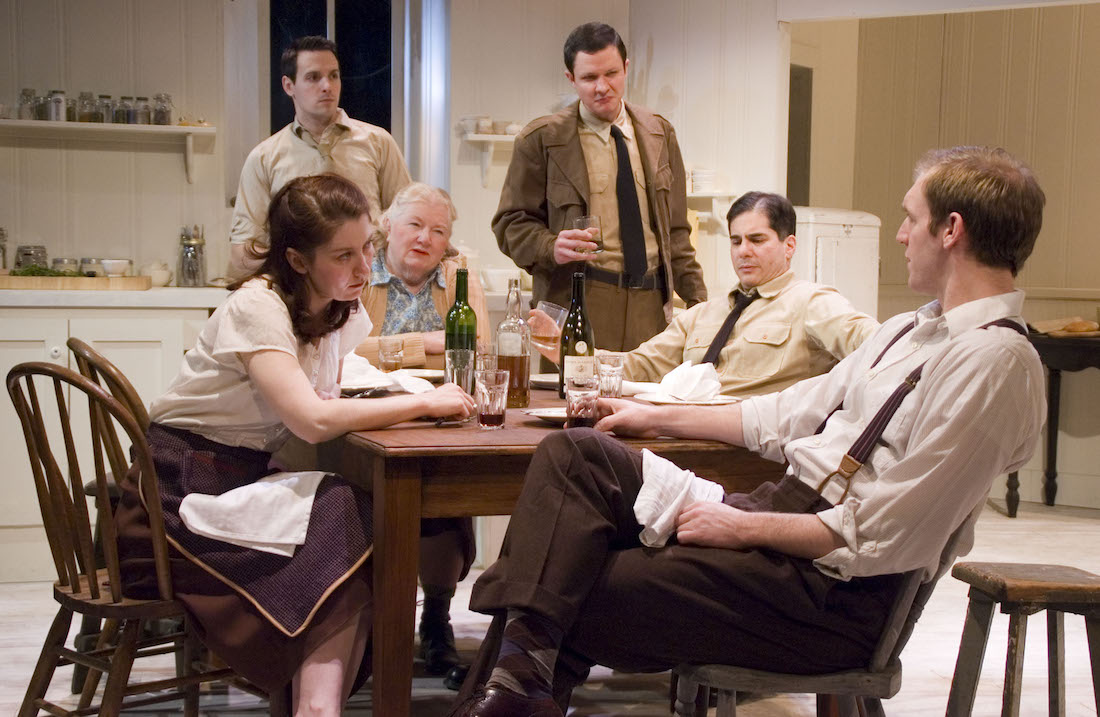
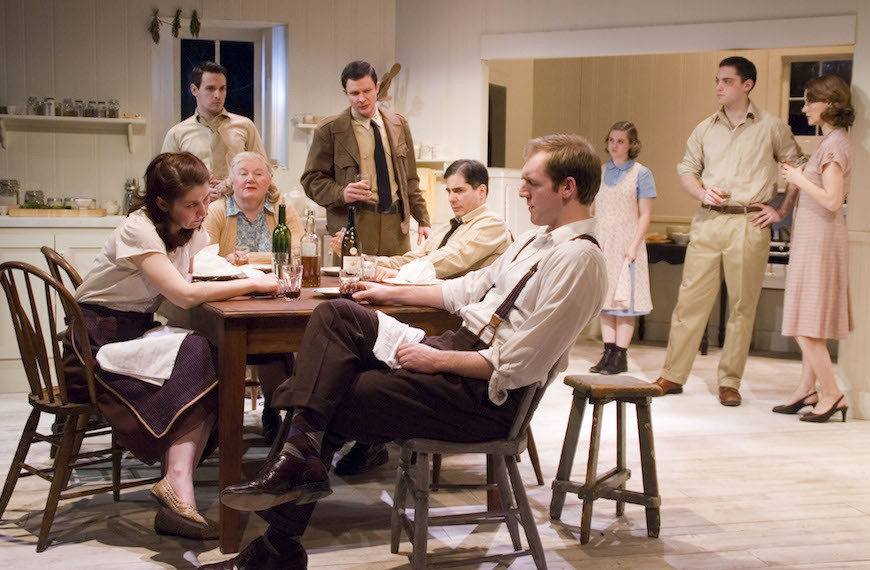
Irishman Justin West (Niall McGinty, standing center holding glass) isn’t happy about Englishman Alec Redding (Cliff Chamberlain, seated foreground) being welcomed into the West family home in TimeLine Theatre Company’s Chicago premiere production of DOLLY WEST'S KITCHEN by Frank McGuinness, directed by Kimberly Senior. Also pictured, from left to right, are Dolly West (Kat McDonnell), Marco Delavicario (Joshua Rollins), Rima West (Kathleen Ruhl) and Ned Horgan (Mark Richard).
Photo by Lara Goetsch
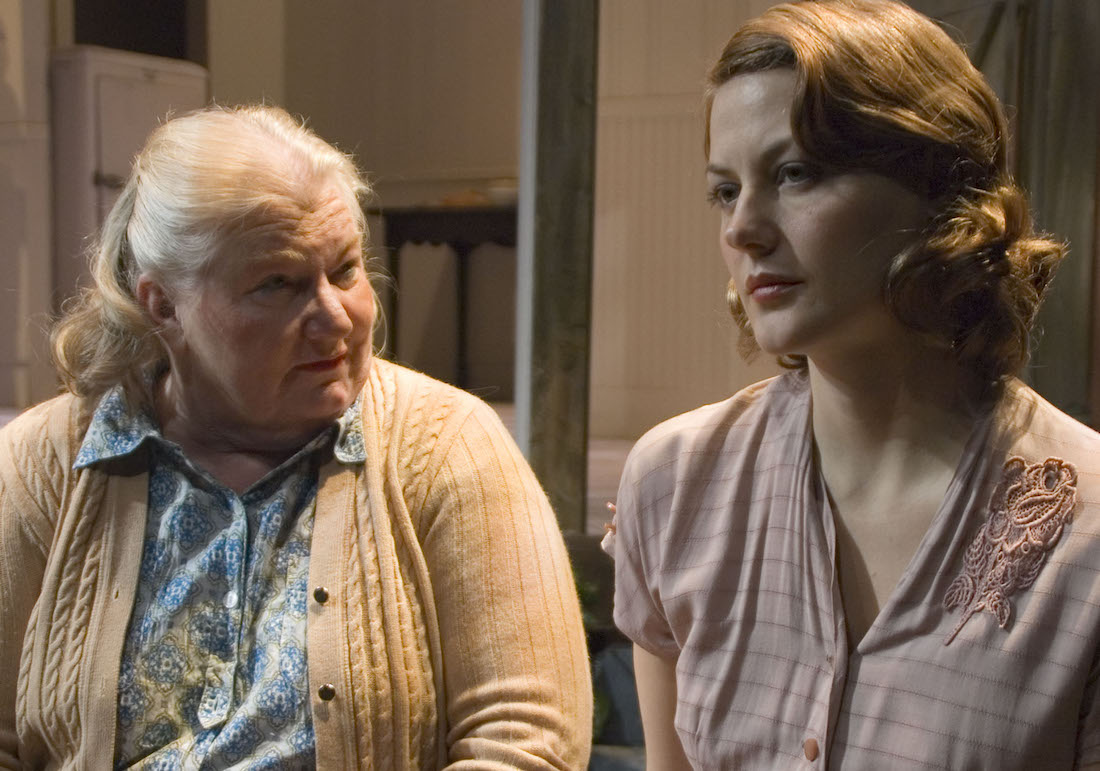
Rima West (Kathleen Ruhl, left) tries to reach out to her daughter Esther (Danica Ivancevic, right) in TimeLine Theatre Company’s Chicago premiere production of DOLLY WEST'S KITCHEN by Frank McGuinness, directed by Kimberly Senior.
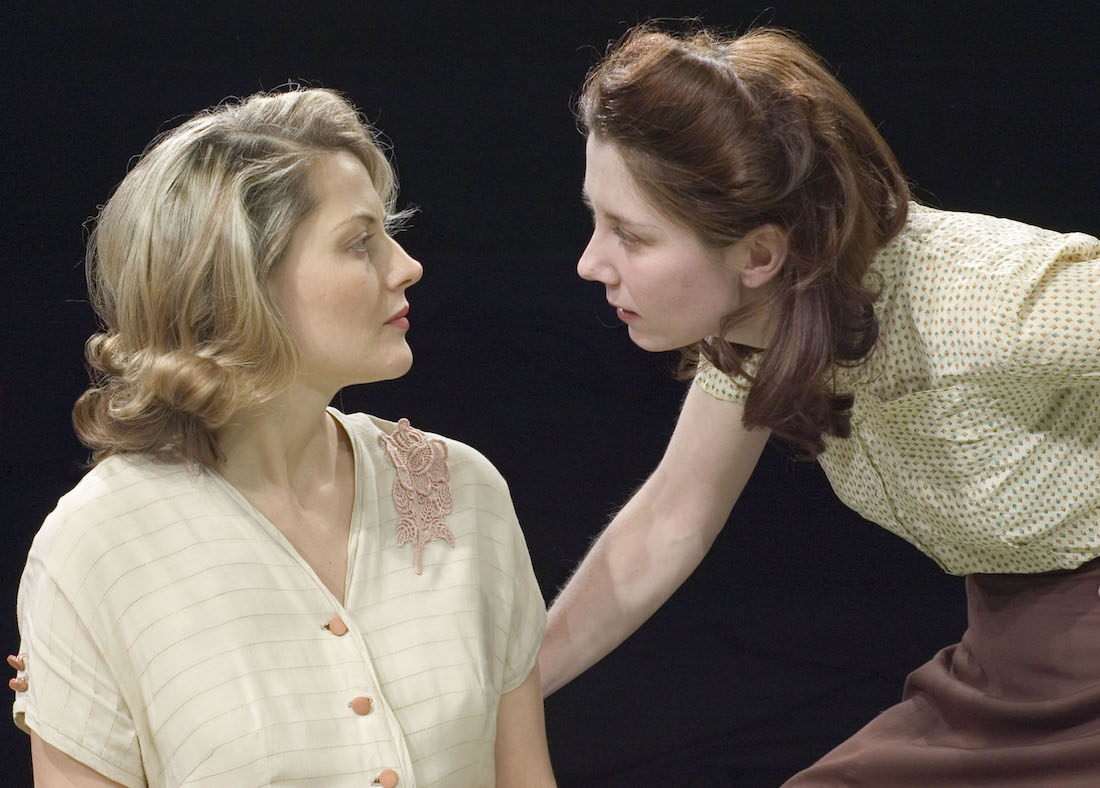
Sisters Esther Horgan (Danica Ivancevic, left) and Dolly West (Kat McDonnell, right) clash in TimeLine Theatre Company’s Chicago premiere production of DOLLY WEST'S KITCHEN by Frank McGuinness, directed by Kimberly Senior.
Photo by Lara Goetsch
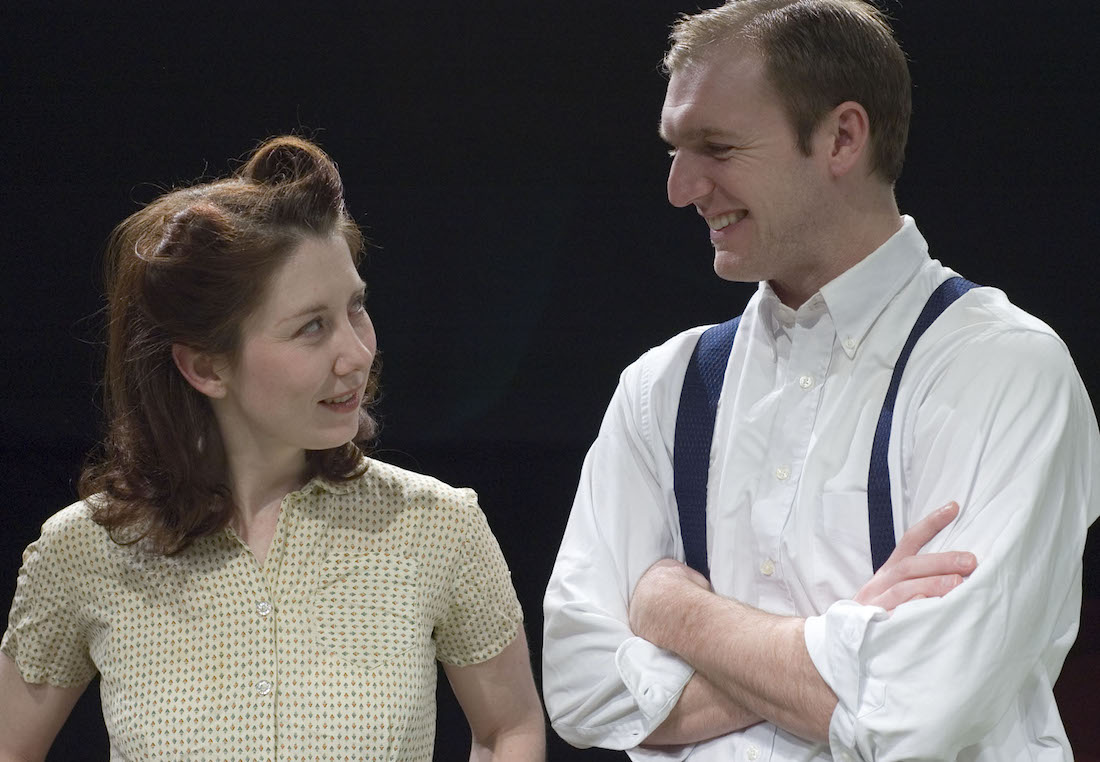
Dolly West (Kat McDonnell, left) has her eye on family friend Alec Redding (Cliff Chamberlain, right) in TimeLine Theatre Company’s Chicago premiere production of DOLLY WEST'S KITCHEN by Frank McGuinness, directed by Kimberly Senior.
Photo by Lara Goetsch